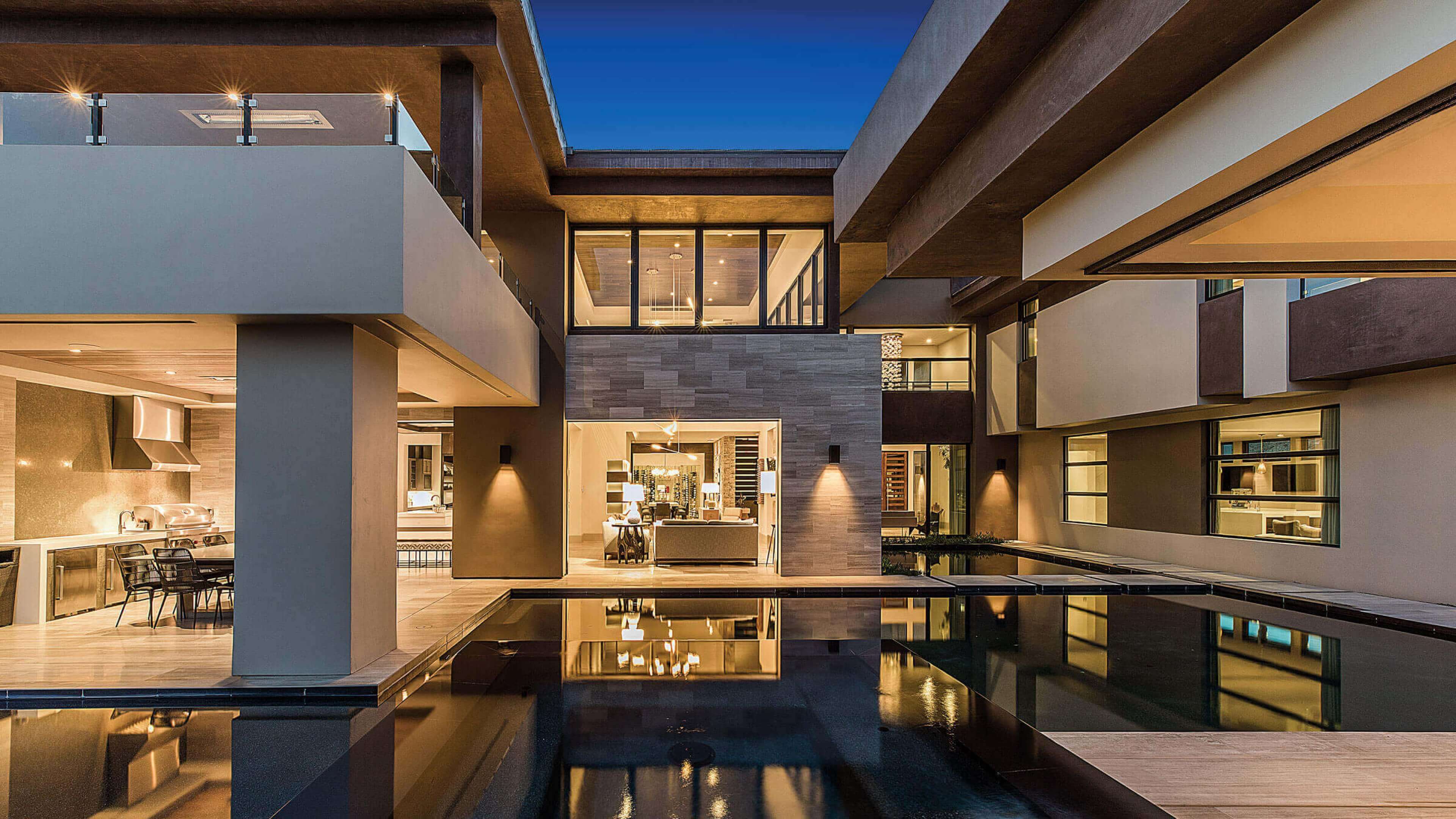
In today’s world, where environmental consciousness and energy efficiency are becoming increasingly important, the concept of sustainable living has gained significant traction. Evo homes, also known as evolutionary homes, represent a new paradigm in residential design and construction, prioritizing eco-friendly materials, innovative technologies, and sustainable practices.
Evo homes are not merely green homes but rather holistic living environments that seamlessly blend comfort, functionality, and environmental responsibility. These homes are designed to minimize energy consumption, reduce carbon emissions, and create healthier living spaces. By embracing sustainable principles, Evo homes contribute to a cleaner, healthier, and more sustainable future.
Transition: Delving into the unique features and benefits of Evo homes, we will explore how they are revolutionizing the way we live, work, and interact with our surroundings.
evo homes
Embracing sustainability, comfort, and innovation.
- Energy-efficient design
- Sustainable materials
- Renewable energy integration
- Water conservation features
- Healthy indoor environment
- Smart home technologies
- Adaptable and expandable
- Community-oriented living
Evo homes provide a holistic approach to sustainable living, blending eco-friendliness with modern comforts and innovative features.
Energy-efficient design
Evo homes embrace energy-efficient design principles to minimize energy consumption and reduce reliance on conventional energy sources.
- Insulation and Air Sealing:Evo homes employ high-performance insulation materials and meticulous air sealing techniques to minimize heat loss and gain, resulting in improved indoor comfort and reduced energy usage.
- Energy-efficient Windows and Doors:Specially designed windows and doors with low-emissivity coatings and tight seals reduce heat transfer, keeping the interior comfortable while minimizing energy loss.
- Passive Solar Design:Evo homes are strategically oriented to take advantage of passive solar heating and natural daylighting, reducing the need for artificial lighting and heating systems.
- Energy-efficient Appliances and Lighting:Energy-efficient appliances, LED lighting, and smart thermostats are incorporated to further reduce energy consumption and promote sustainable living practices.
By implementing these energy-saving measures, Evo homes not only reduce their environmental impact but also provide significant cost savings for homeowners, making them a wise investment in a sustainable future.
Sustainable materials
Evo homes prioritize the use of sustainable and eco-friendly materials throughout their construction and design.
Recycled and Upcycled Materials: Evo homes incorporate recycled and upcycled materials, such as reclaimed wood, metal, and glass, to reduce waste and minimize the environmental impact of construction. These materials often add a unique character and charm to the home.
Renewable and Natural Materials: These homes often utilize renewable and natural materials like bamboo, cork, straw bales, and rammed earth. These materials have low embodied energy, meaning they require less energy to produce and transport, and they offer excellent insulation and durability.
Low-VOC (Volatile Organic Compound) Materials: Evo homes prioritize materials with low or no VOC emissions, ensuring healthier indoor air quality. VOCs are chemicals that can be harmful to human health and the environment, and they are often found in conventional building materials like paints, adhesives, and finishes.
Locally Sourced Materials: Using locally sourced materials reduces transportation-related emissions and supports the local economy. Evo homes aim to minimize the environmental impact of material transportation by selecting materials produced and sourced nearby.
By carefully selecting and using sustainable materials, Evo homes create healthier and more environmentally friendly living spaces that contribute to a more sustainable future.
Renewable energy integration
Evo homes embrace renewable energy technologies to reduce their reliance on fossil fuels and promote sustainable living.
- Solar Photovoltaic (PV) Systems:Evo homes often incorporate solar PV systems that convert sunlight into electricity. These systems can generate a significant portion of the home’s electricity needs, offsetting the use of grid-supplied power and reducing greenhouse gas emissions.
- Solar Thermal Systems:Solar thermal systems use solar energy to heat water for domestic use and space heating. These systems can reduce the demand for conventional heating systems and provide hot water at a lower cost.
- Wind Turbines:In windy locations, Evo homes may utilize small wind turbines to generate electricity. These turbines can contribute to the home’s energy needs and reduce reliance on grid power.
- Geothermal Heat Pumps:Geothermal heat pumps utilize the constant temperature of the earth to provide heating and cooling for the home. These systems offer energy-efficient and sustainable climate control throughout the year.
By integrating renewable energy systems, Evo homes strive for energy independence, reduce their carbon footprint, and contribute to a cleaner and more sustainable energy future.
Water conservation features
Evo homes incorporate various water conservation features to minimize water usage and promote responsible water management.
Low-Flow Fixtures: Evo homes are equipped with low-flow faucets, showerheads, and toilets that reduce water consumption without compromising performance. These fixtures can save a significant amount of water over time, especially in households with multiple occupants.
Rainwater Harvesting Systems: Rainwater harvesting systems collect and store rainwater from rooftops and other surfaces. This water can then be used for irrigation, laundry, or even toilet flushing, reducing the demand for municipal water.
Greywater Reuse Systems: Greywater reuse systems capture and treat wastewater from sinks, showers, and washing machines. This treated water can then be reused for irrigation or other non-potable purposes, reducing the strain on local water resources.
Xeriscaping: Evo homes often incorporate xeriscaping principles in their landscaping design. Xeriscaping involves using drought-tolerant plants and efficient irrigation techniques to minimize water usage. This approach creates beautiful and sustainable outdoor spaces that require less water to maintain.
By implementing these water conservation features, Evo homes help reduce water consumption, conserve this precious resource, and promote responsible water stewardship.
Healthy indoor environment
Evo homes prioritize the creation of healthy indoor environments that promote the well-being and comfort of occupants.
- Natural Ventilation and Air Quality: Evo homes are designed to maximize natural ventilation, allowing fresh air to circulate and reducing the buildup of indoor pollutants. Energy-efficient ventilation systems may also be incorporated to ensure a continuous supply of fresh air and remove stale air.
- Low-VOC Materials and Finishes: Evo homes use low-VOC (volatile organic compound) materials and finishes to minimize the release of harmful chemicals into the indoor air. VOCs can cause respiratory problems, headaches, and other health issues.
- Moisture Control and Prevention: Proper moisture control is essential for a healthy indoor environment. Evo homes employ moisture-resistant materials and construction techniques to prevent mold and mildew growth, which can lead to respiratory problems and other health concerns.
- Healthy Lighting: Evo homes often incorporate natural lighting strategies and energy-efficient lighting fixtures to create a comfortable and visually appealing indoor environment. Proper lighting can reduce eye strain, improve mood, and promote overall well-being.
By prioritizing healthy indoor environments, Evo homes provide occupants with a healthier and more comfortable living space that supports their physical and mental well-being.
Smart home technologies
Evo homes embrace smart home technologies to enhance comfort, security, and energy efficiency while providing occupants with greater control over their living environment.
Smart Lighting and Climate Control: Smart lighting systems allow homeowners to control the intensity, color, and scheduling of lights throughout the home. Smart thermostats learn and adapt to occupants’ preferences, automatically adjusting heating and cooling systems to maintain desired temperatures while minimizing energy consumption.
Automated Window Treatments: Automated window treatments, such as smart blinds or shades, can be programmed to open or close depending on the time of day, season, or weather conditions. This helps regulate indoor temperature and reduce energy usage.
Smart Security Systems: Evo homes often incorporate smart security systems that include motion detectors, smart locks, and surveillance cameras. These systems can be monitored and controlled remotely, providing homeowners with peace of mind and enhanced security.
Voice Control and Integration: Many Evo homes feature voice control integration, enabling occupants to control various smart home features using voice commands. This allows for hands-free control of lighting, music, climate, and other connected devices, enhancing convenience and accessibility.
By integrating smart home technologies, Evo homes provide occupants with a more comfortable, secure, and energy-efficient living environment while offering greater control and personalization of their home’s systems.
Adaptable and expandable
Evo homes are designed to be adaptable and expandable to accommodate changing needs and lifestyles.
Modular Construction: Some Evo homes utilize modular construction methods, which involve building individual modules off-site and assembling them on-site. This approach allows for greater flexibility in design and layout, enabling homeowners to customize their homes to their specific needs and preferences.
Flexible Floor Plans: Evo homes often feature flexible floor plans that can be easily reconfigured to create different room layouts. This flexibility allows homeowners to adapt their homes as their needs change over time, such as adding a home office or converting a spare bedroom into a nursery.
Expandable Design: Many Evo homes are designed to be expandable, allowing homeowners to add additional space as their needs grow. This expandability can be achieved through the use of pre-engineered extensions or by incorporating flexible design elements that can be easily modified or expanded.
Multi-Generational Living: Evo homes often consider the needs of multi-generational living, providing adaptable spaces that can accommodate elderly parents or adult children. This adaptability allows families to live together comfortably while maintaining their independence and privacy.
By designing Evo homes to be adaptable and expandable, homeowners can create living spaces that evolve with their changing needs, providing long-term comfort and functionality.
Community-oriented living
Evo homes promote a sense of community and foster social connections among residents.
Community Spaces: Evo homes often incorporate shared community spaces that encourage interaction and collaboration among residents. These spaces may include community gardens, outdoor gathering areas, or shared workspaces, providing opportunities for neighbors to connect and build relationships.
Walkable Neighborhoods: Evo homes are often located in or near walkable neighborhoods, which promote physical activity, reduce car dependency, and create a more vibrant community atmosphere. Walkable neighborhoods also encourage social interaction and chance encounters among neighbors.
Mixed-Use Developments: Some Evo homes are part of mixed-use developments that combine residential, commercial, and retail spaces. This integration creates a lively and diverse community where residents can live, work, and shop within their neighborhood, reducing the need for long commutes and promoting local businesses.
Sustainable Community Practices: Evo homes and communities often embrace sustainable practices that foster a sense of environmental stewardship and community resilience. These practices may include shared renewable energy systems, community composting, or rainwater harvesting, encouraging residents to work together towards a more sustainable and environmentally conscious lifestyle.
By promoting community-oriented living, Evo homes create a sense of belonging and social connection among residents, contributing to a more vibrant and sustainable community.
FAQ
Here are answers to some frequently asked questions about Evo homes:
Question 1: What are the main benefits of living in an Evo home?
Answer 1: Evo homes offer numerous benefits, including energy efficiency, sustainable living practices, healthier indoor environments, smart home technologies, adaptability to changing needs, and a sense of community. These homes prioritize environmental consciousness, comfort, and innovation, providing a holistic living experience.
Question 2: How do Evo homes achieve energy efficiency?
Answer 2: Evo homes employ various strategies to achieve energy efficiency, such as energy-efficient appliances and lighting, insulation and air sealing, and passive solar design. These features minimize energy consumption and reduce reliance on conventional energy sources.
Question 3: What sustainable materials are commonly used in Evo homes?
Answer 3: Evo homes incorporate sustainable materials like recycled and upcycled materials, renewable and natural materials like bamboo and straw bales, low-VOC materials for healthier indoor air quality, and locally sourced materials to minimize transportation-related emissions.
Question 4: How do Evo homes promote healthier indoor environments?
Answer 4: Evo homes prioritize healthier indoor environments through natural ventilation and air quality control, low-VOC materials and finishes, moisture control and prevention, and healthy lighting. These features contribute to the overall well-being and comfort of occupants.
Question 5: What smart home technologies are typically found in Evo homes?
Answer 5: Evo homes often incorporate smart lighting and climate control systems, automated window treatments, smart security systems, and voice control integration. These technologies enhance comfort, security, and energy efficiency while providing homeowners with greater control over their living environment.
Question 6: How do Evo homes accommodate changing needs and lifestyles?
Answer 6: Evo homes are designed to be adaptable and expandable. Some utilize modular construction and flexible floor plans, allowing for easy customization and reconfiguration. Many Evo homes are also expandable, enabling homeowners to add additional space as their needs grow.
Question 7: What are some examples of community-oriented features in Evo homes?
Answer 7: Evo homes often include shared community spaces like gardens, outdoor gathering areas, and co-working spaces, fostering interaction and social connections among residents. Walkable neighborhoods and mixed-use developments promote physical activity, reduce car dependency, and create vibrant communities.
Evo homes are designed to provide a sustainable, comfortable, and community-oriented living experience, promoting a healthier and more environmentally conscious lifestyle.
To further enhance your living experience in an Evo home, consider these additional tips…
Tips
Here are some practical tips to further enhance your living experience in an Evo home:
Tip 1: Optimize Energy Efficiency: Take advantage of your Evo home’s energy-efficient features. Use energy-saving modes on appliances, adjust your thermostat wisely, and utilize natural light to reduce energy consumption. Consider installing smart thermostats and energy monitoring devices to gain insights into your energy usage and identify areas for improvement.
Tip 2: Embrace Sustainable Living Practices: Engage in sustainable living practices to minimize your environmental impact. Recycle and compost regularly, use eco-friendly cleaning products, and consider installing rainwater harvesting systems or solar panels to further reduce your reliance on conventional energy sources.
Tip 3: Personalize Your Indoor Environment: Evo homes are designed to provide a healthy and comfortable living environment. Adjust the lighting, temperature, and humidity levels to suit your preferences. Incorporate indoor plants to improve air quality and add a touch of nature to your home.
Tip 4: Foster a Sense of Community: Participate in community events and activities to connect with your neighbors and build a sense of belonging. Utilize shared spaces and amenities to interact with others, and consider starting or joining community initiatives to enhance your neighborhood.
By following these tips, you can fully embrace the benefits of your Evo home, living a more sustainable, comfortable, and community-oriented lifestyle.
In conclusion, Evo homes represent a transformative approach to residential living, prioritizing sustainability, comfort, and community. By embracing these homes and incorporating these additional tips, you can create a living environment that aligns with your values and aspirations for a healthier, more sustainable future.
Conclusion
Evo homes stand as a testament to the harmonious integration of sustainability, comfort, and community. These homes embody a vision of responsible living, minimizing environmental impact while maximizing the well-being of their occupants.
Through energy-efficient design, sustainable materials, renewable energy integration, water conservation features, and healthy indoor environments, Evo homes create living spaces that are not only beautiful but also responsible.
The incorporation of smart home technologies further enhances convenience, security, and energy efficiency, allowing homeowners to tailor their living environment to their unique needs and preferences.
The emphasis on adaptability and expandability ensures that Evo homes can evolve alongside the changing needs of their residents, providing long-term comfort and functionality.
Finally, the focus on community-oriented living fosters a sense of belonging and social connection among residents, contributing to a more vibrant and sustainable community.
By embracing Evo homes, we can create a more sustainable and harmonious relationship with our environment, while enjoying the comforts and conveniences of modern living. May these homes inspire us all to live more consciously and responsibly, for the benefit of both ourselves and future generations.